LAKELAND, Fla. – Florida Polytechnic University’s bookless library was at the center of an international discussion in Mexico focused on the creation and development of university libraries around the world.
Dr. Kathryn Miller, vice provost of academic support services at Florida Poly, was a guest speaker at the first International Colloquium on Library Architecture and Environments, hosted by the National Autonomous University of Mexico (UNAM) on May 2-4, 2018.
Miller was invited to share how Florida Poly’s innovative digital library enhances the overall learning experience.
“Information access, storage and retrieval are skills students learn in a digital library,” said Miller. “If we can teach students how to work with digital information, they will have an advantage in the workplace because they will know when to seek information and understand how to find and validate it. As a result, they’ll make informed decisions.”
Miller added that digital libraries are the future for disciplines like STEM (science, technology, engineering and math) and research institutions in countries like Mexico are taking notice of the model.
“I found great interest in the international collection of librarians gathered to understand how the Florida Polytechnic University Library functions. They were very curious about how our library staff engages campus interest without physical books and how the digital library has changed the librarians’ job functions,” said Miller. “The interest and acceptance of a digital library has become even stronger since Florida Poly first opened our campus with no books in 2014.”
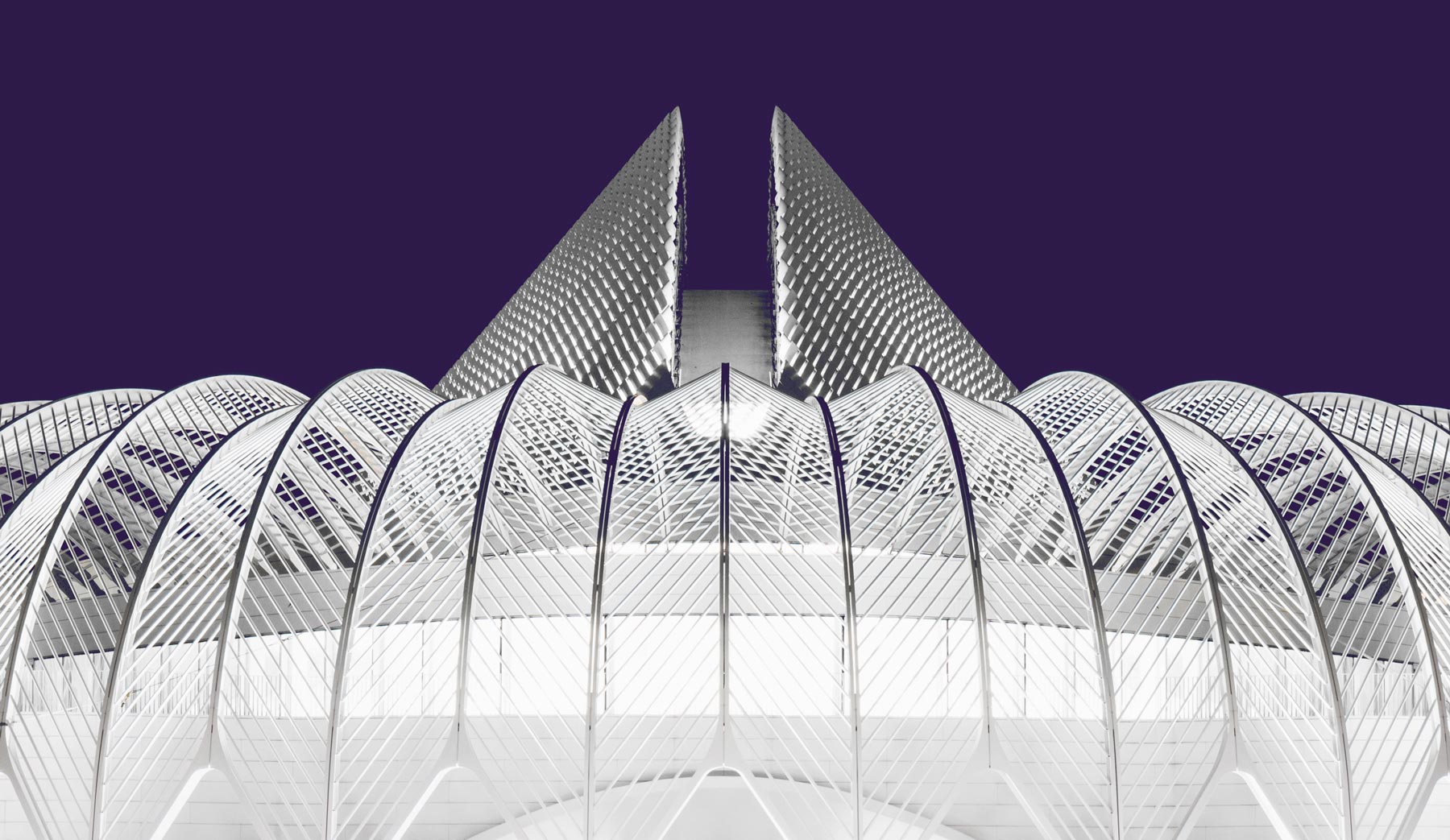
Florida Poly’s 11,000 square foot library, located on the second floor of the Innovation, Science and Technology building, has a digital collection of more 150,000 full text e-book volumes that are a mixture of owned and licensed materials.
Since there is no physical stack area, Miller pointed out that one of the benefits of the bookless library is a more effective use of space.
“The Florida Polytechnic University Library would require 15,000 linear feet of stack area for shelving our books if they were not in digital format,” she explained.
The goal of the colloquium was to exchange knowledge and multidisciplinary experiences in the planning, design, construction and evaluation of physical and virtual spaces in university libraries in order to establish lines of action and policies for improvement in three environments: teaching-learning, research and reading.
UNAM is a UNESCO World Heritage site and shares high world academic rankings.
“They’re a significant research institution, and I was very impressed with Mexico’s commitment in projecting growth and ensuring utility with the university libraries,” said Miller.